 Nuorese Cultural District
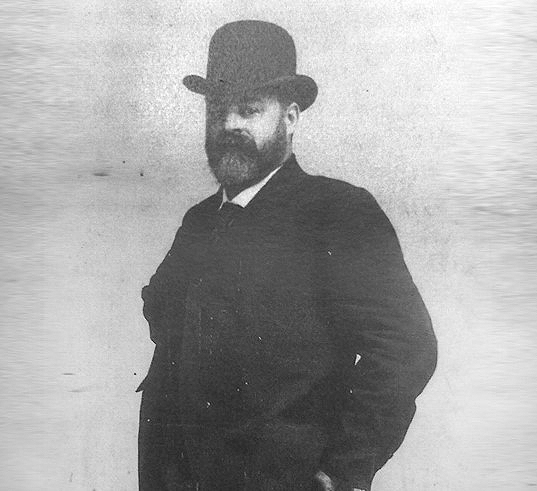
Giacinto Satta (b. 26 June 1851, Orosei–d. 14 January 1921, Bosa) was an Italian writer, politician, painter and teacher.
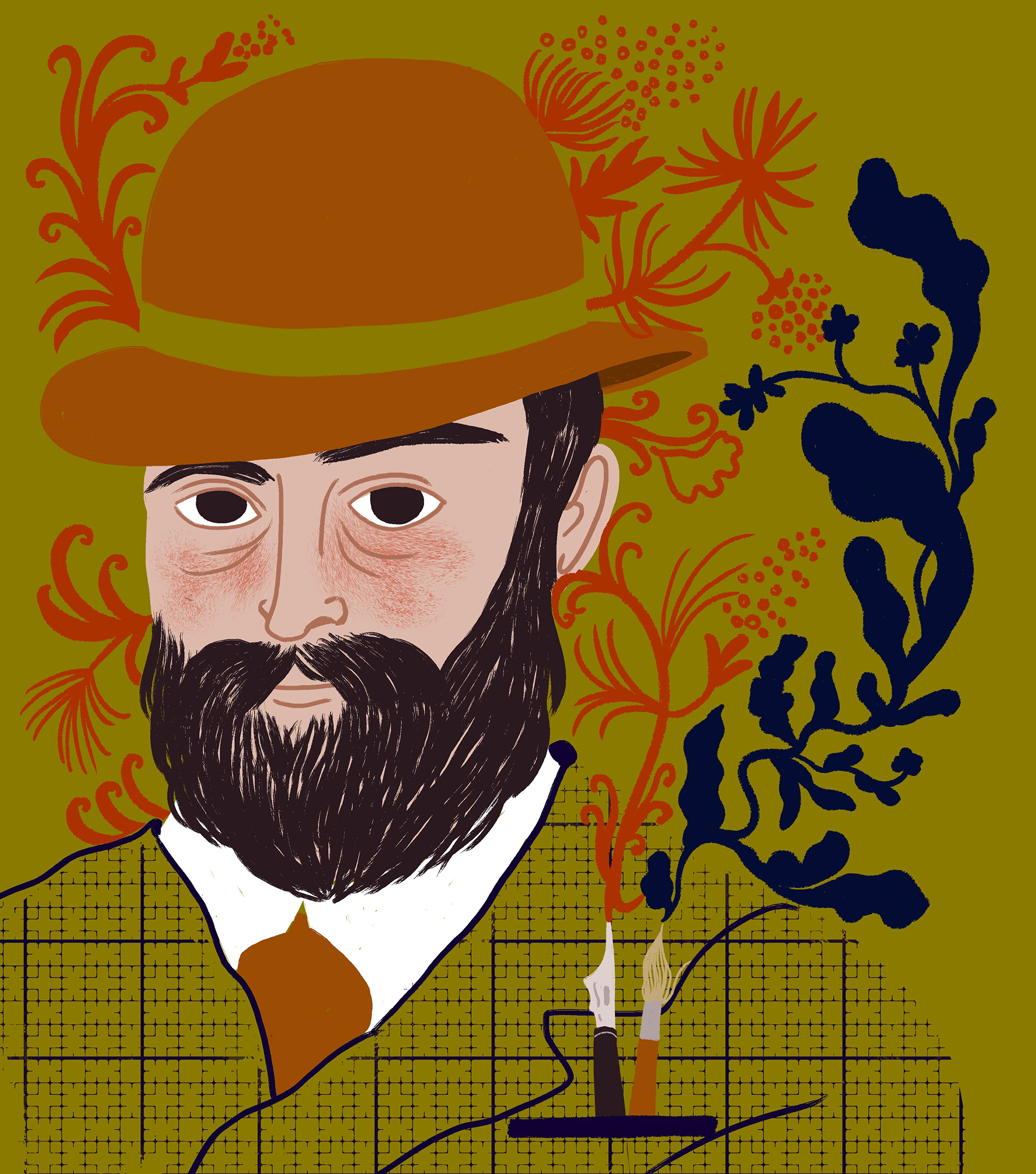
Giacinto Satta
Description
After completing his studies in Cagliari in 1885, Satta went to Paris, where he enjoyed a Bohemian life and mixed with the Impressionists. This experience influenced his art and differentiated him from Sardinia’s other artists.
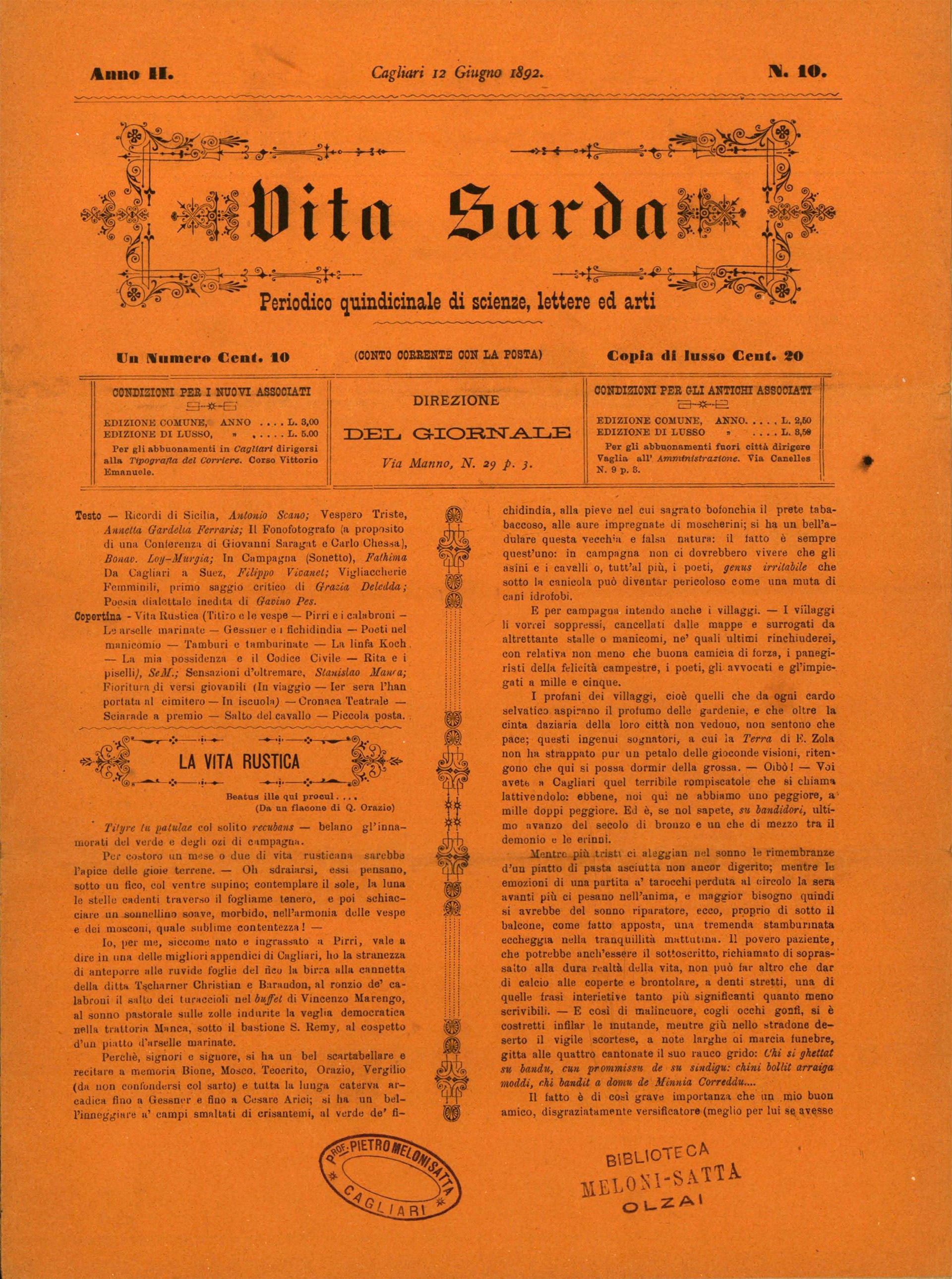
During his stay in Paris, he contributed to various newspapers, also becoming a correspondent for Vita Sarda. His writings about his time in Paris were published to acclaim in La Nuova Sardegna between 1895 and 1898.
After a brief stay in London and travel in Spain and Africa, Satta returned to Nuoro. He taught French at the gymnasium for ten years, but he made his greatest mark as a champion of the city’s cultural life. His impulsive temperament and resistance to diplomatic compromise, however, hampered his political career. He was mayor for a brief period but stepped down due to legal problems and conflict with the local administrators. His detractors also tried to strip him of his teaching position, forcing him to work in Oristano and then Sassari, where he continued to contribute to La Nuova Sardegna under the pseudonym Dott. Panfilo. He wrote two novels under the same pseudonym: I misteri di Sassari (1904) and Il tesoro degli Angioini (1907).
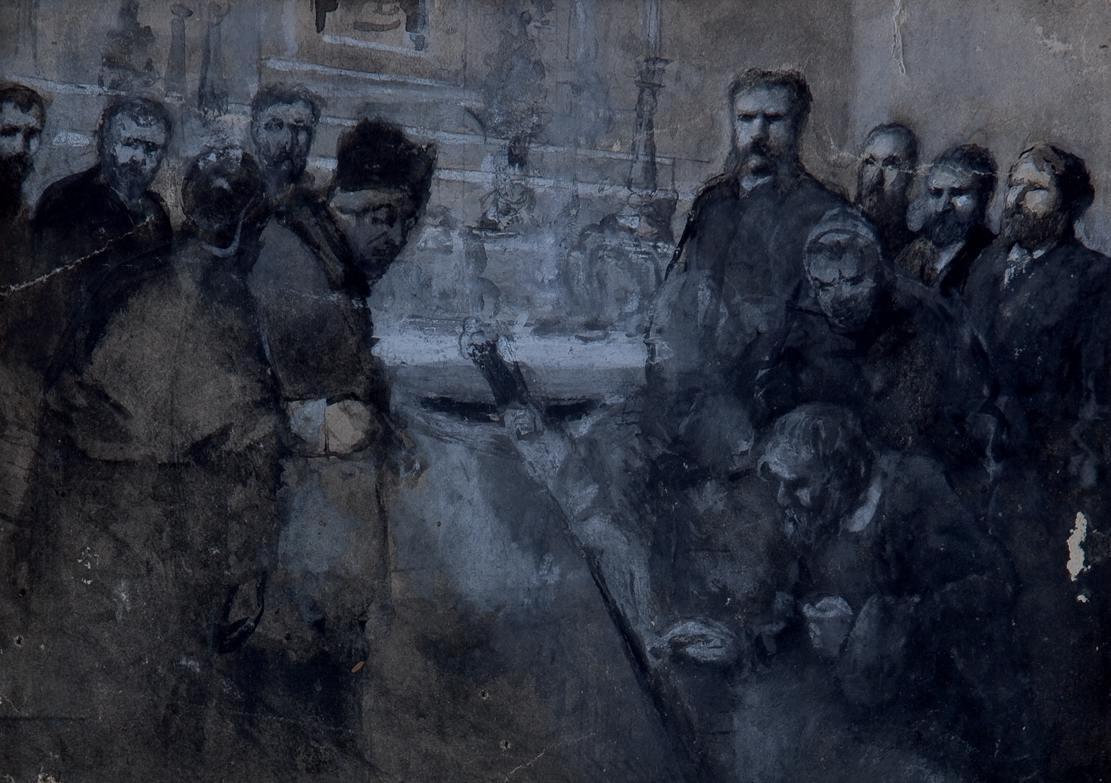
During his time abroad and after his final return to Sardinia, Satta divided his time between writing, teaching and painting. He stood out from other Sardinian artists for his Impressionist-like style and subjects.
His at times analytical and documentary approach was focused on the almost ethnographic observation of Sardinian life and folklore, free of celebratory or mythologising aims. Satta was also interested in lower-class subjects as part of his political and civil engagement, since he believed that the less well-off social classes needed to be valorised both economically and socially.
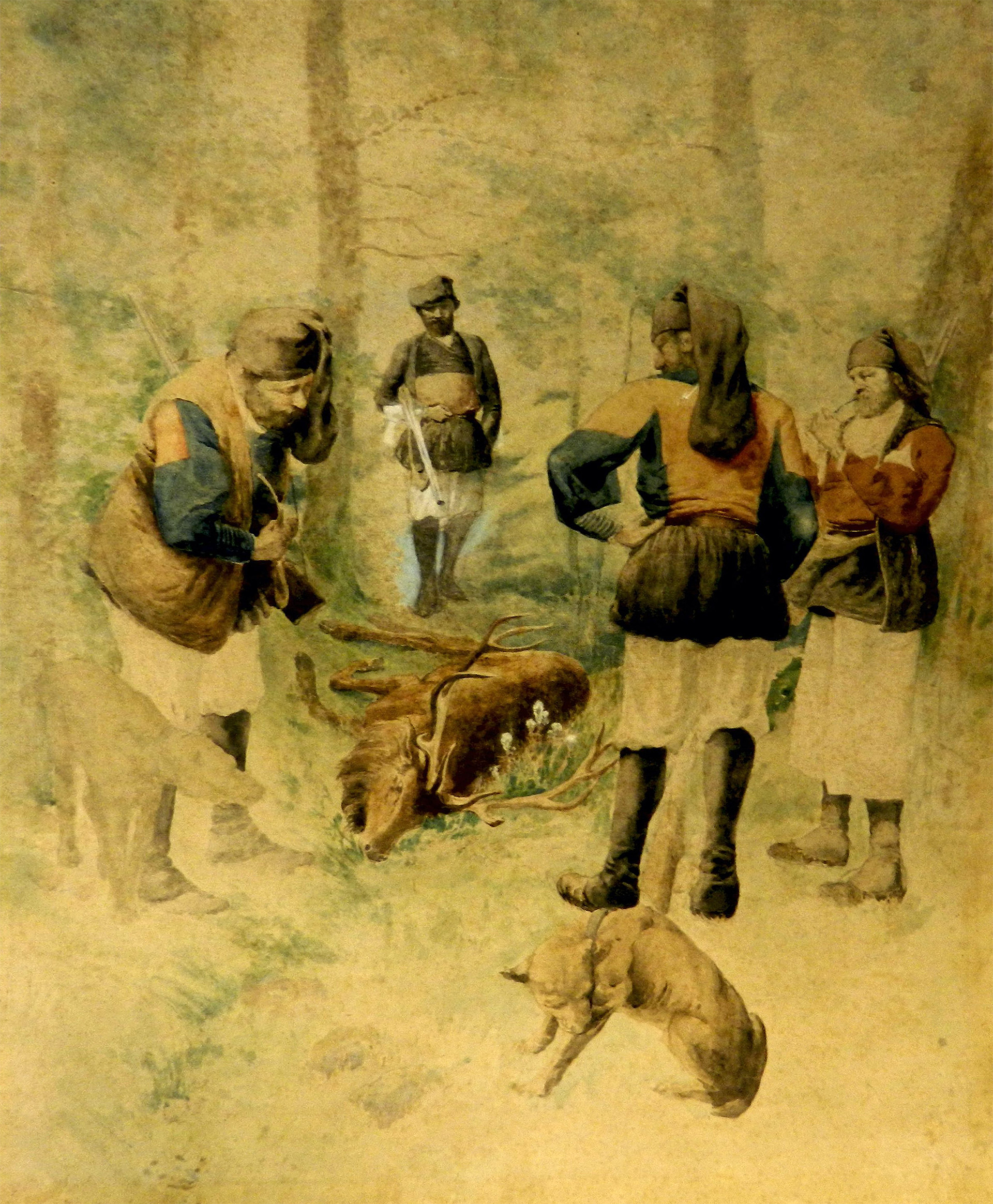
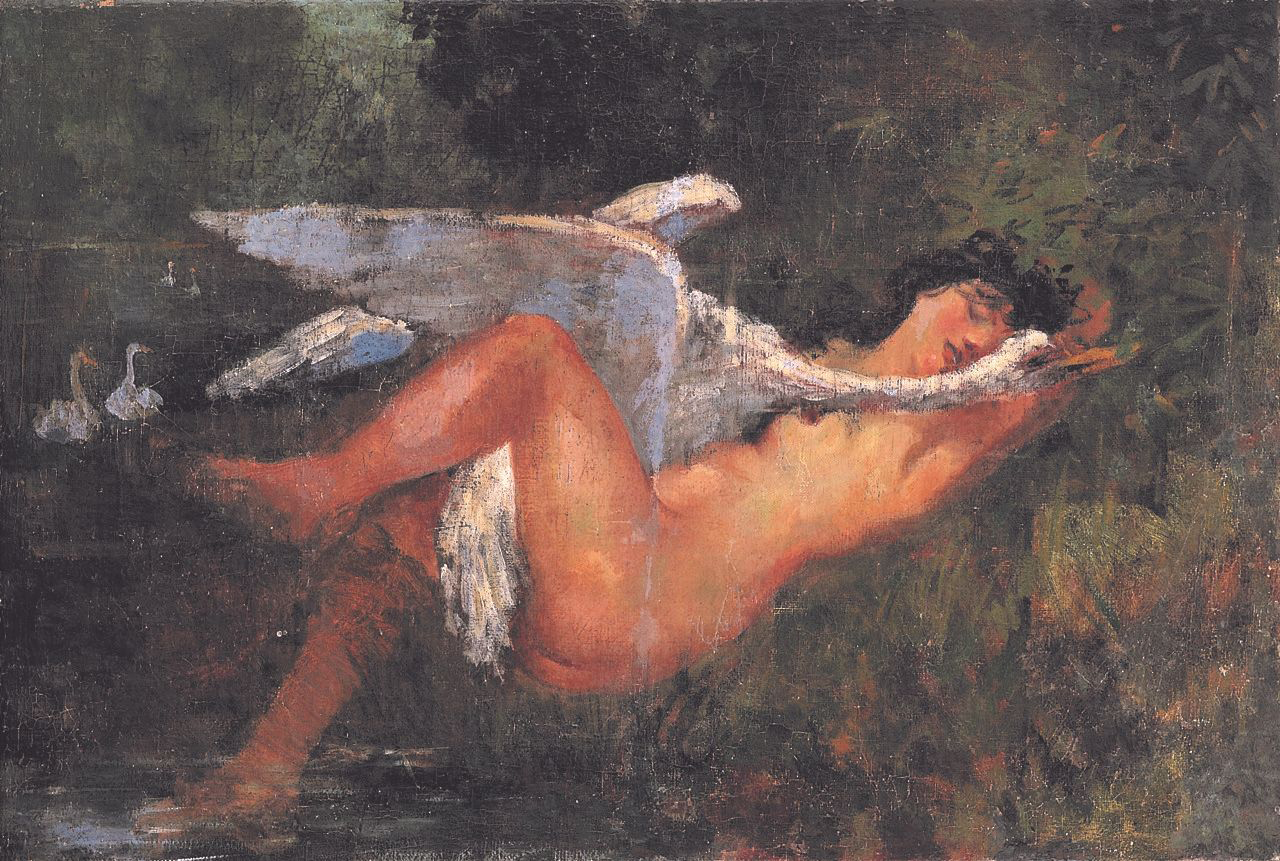
Satta’s paintings were admired by the writer Grazia Deledda, and the artist illustrated her story Ballora, published in 1906 in Almanacco Italiano, with four watercolours.